
Railway Stations and Architectural Memory
A brief overview of the accumulated architectural styles on Britain's railway network.
Twentieth-century architectural thought, namely modernism, aimed to teach that function must be dominant over form in buildings. To varying degrees, its adherents wished to dispose of ornamentation for the sake of simplicity, efficiency and to better take advantage of the industrial materials which supposedly maximised both. Sometimes, designs were to be as functional and minimalistic as possible in order to be reproducible, irrespective of whatever climate or surroundings the structure was placed in. Often accompanied by notions of revolutionary utilitarian or socialistic living, this doctrine has wrought some truly horrendous results in Britain, not least on public buildings. Nonetheless, it should be obvious that beauty and functionality can work harmoniously in any time or place, the railway stations built before the industry’s nationalisation in 1948 being prime examples. These were buildings intended to be worked intensely, yet that never precluded them from aesthetically pleasing designs and belonging in or even uplifting their environs. Although an intricate network of railways and increasingly beastly locomotives are in abstract greatly disruptive forces, a collection of architects made them enhance the architectural fabrics of cities and villages alike. A seldom realised feature of the railways, then, is how its pre-nationalisation existence tangibly captured the last century of continuous traditional architecture in virtually all its richness and diversity. Despite the mass of later closures and demolitions, this legacy remains decently intact today, thus acting as a dense repository of cultural memory within a single type of building which merits at least a cursory survey.
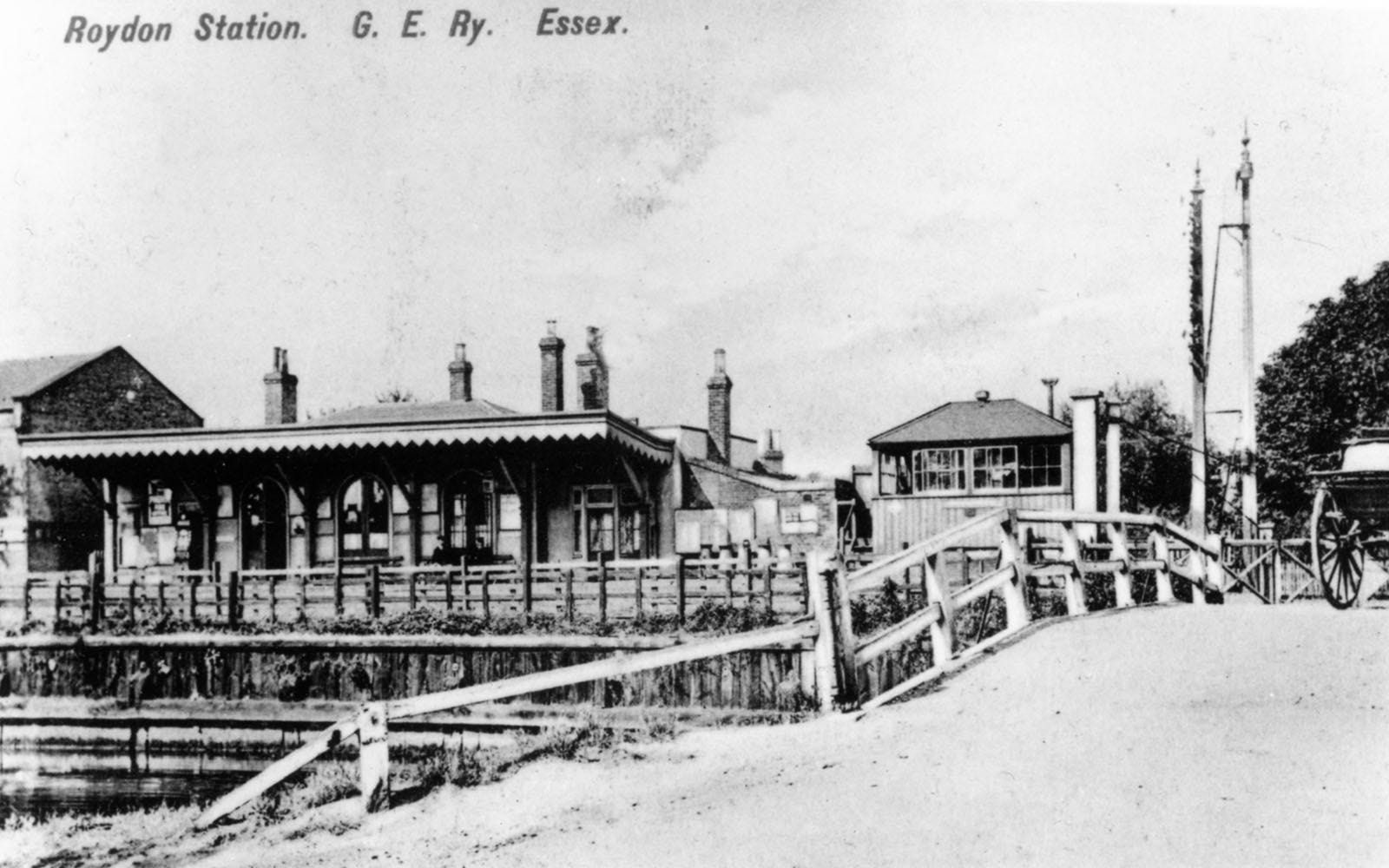
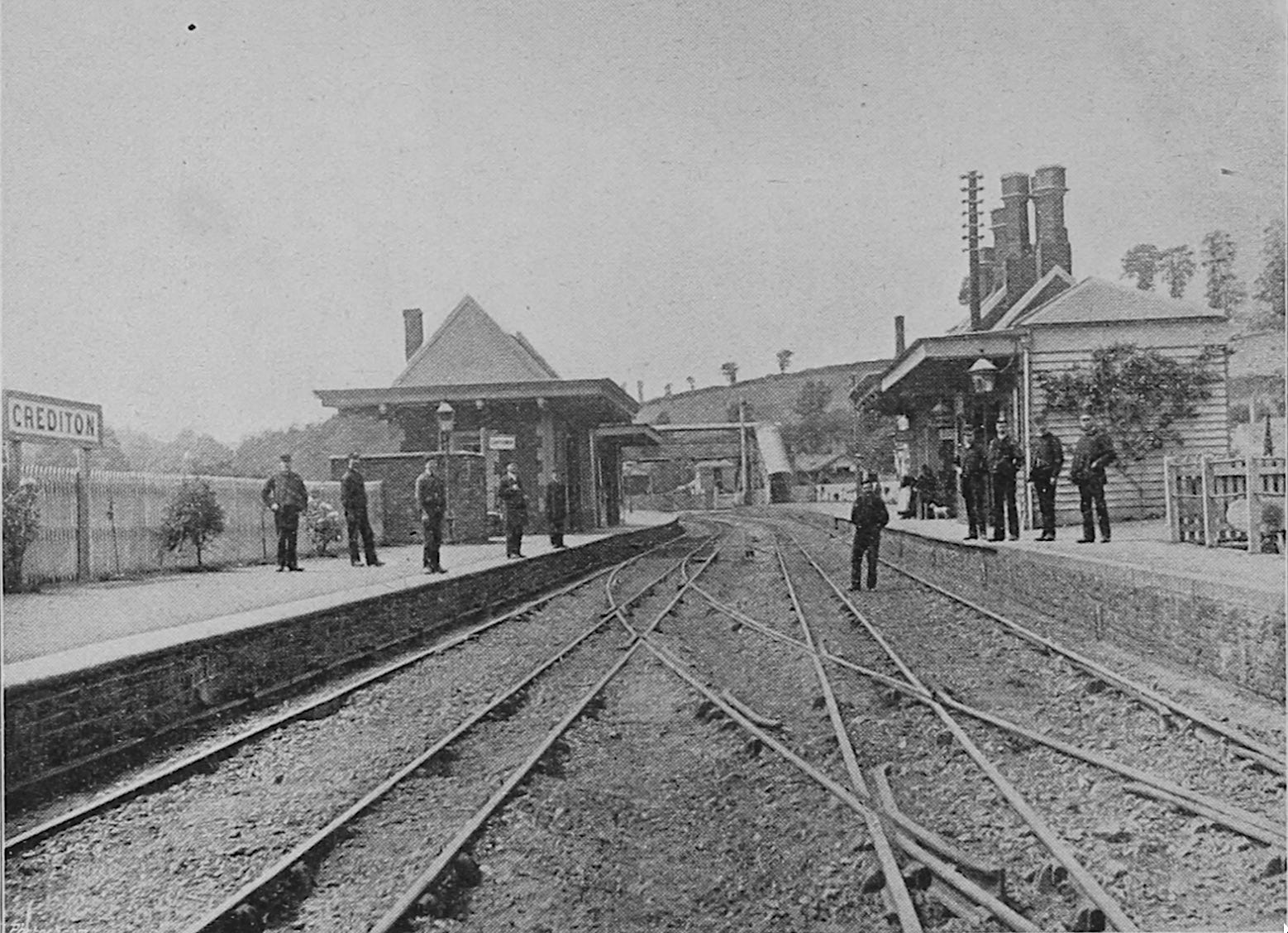
Not all railway stations built by the Victorians or Edwardians possessed splendorous architecture. Many of the smallest, often designated halts by the company working the line, had no substantial structures at all. After all, Dr Richard Beeching was hardly the first man to pursue measures of economy on a stretch of the railway network, just the most consequential. Beyond the numerous other stations with only timber constructions, the smaller stations with noteworthy architecture were of a distinctly domestic character. Sometimes this was out of necessity, in order to give the station master or crossing keeper a residence. However, the appearance of a two-storey house with some outbuildings, or a more cottage-like design with the same, in a completely rural locality or a village was not too stark. Only the platforms, possible canopies and tracks betrayed the building’s purpose. The architectural styles of these stations were more nuanced than larger examples due to their limited scale, but still identifiably followed the evolution of Victorian housing. The smaller stations built in the 1840s on the early Eastern Counties Railway lines, to Ely and Cambridge, possess Italianate characteristics which straddled pre-railway Regency architecture and the rest of the Victorian era. The Tarka Line in Devon, the stations of which mostly opened in the 1850s, hosts several surviving Gothic Revival buildings. Later Victorian stations, such as the mid-1880s Ingatestone and Wivenhoe in Essex, provide bucolic examples of the Domestic Revival design, with Tudor influences partly inspired by the Arts and Crafts movement. Plenty of others feature more conventional red-brick buildings or variants thereof, perhaps depending on local materials. It is difficult to convey the varied pleasantries of smaller stations, at least of those not reduced to pairs of unadorned platforms, without adding an excessive number of images. Nevertheless, the overriding qualities are familiarity and homeliness, things which fundamentally work for stations of this size. To quote Sir Roger Scruton’s Beauty, they perpetuate the “humble harmony” already implicitly expected of a village or the countryside more broadly.
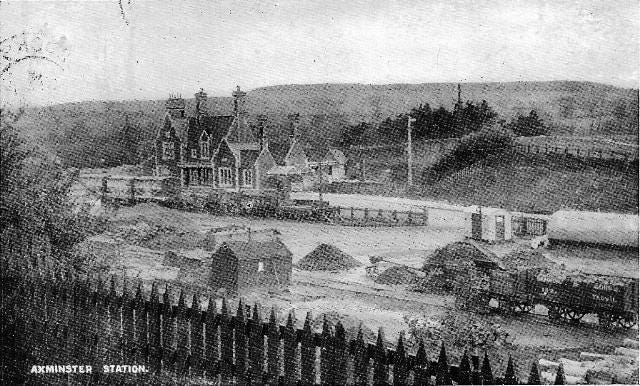
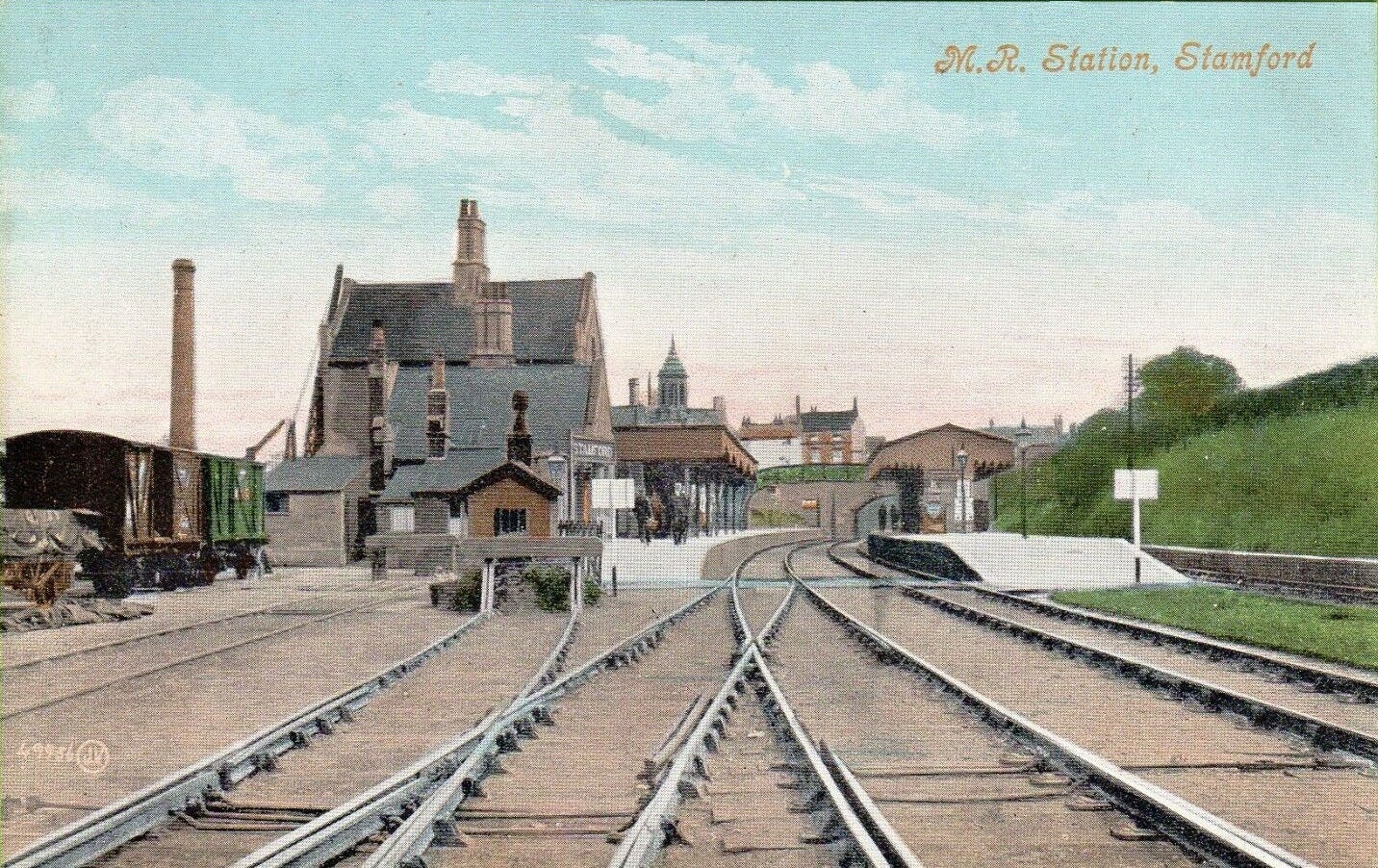
In the towns, meanwhile, some stations attempt to miniaturise the spectacle of their grand city brethren. At this scale, the intricacies of architectural styles explored before the mid-twentieth century can be fully realised. The stations in Needham Market and Stowmarket, both small market towns in Suffolk, are extravagant Jacobean Revival constructions from the mid-1840s complete with turreted offices. At around the same time, designs which borrow features from the Tudor repertoire whilst undoubtedly retaining their originality were built in Bury St Edmunds and Windsor & Eton Riverside. Somewhat later in the 1870s, Mansfield station was rebuilt in an Italianate style whilst the Settle-Carlisle line, admittedly including plenty of rural locales, received a slew of stations in a variation of Gothic. In the late 1880s, Hertford East station was rebuilt in a detailed Free Renaissance style, meaning it took inspiration from a range of revivals for styles between the Elizabethan and Queen Anne eras. Free Renaissance in particular points to the fundamental eclecticism of Victorian architecture, brilliantly expressed by railway stations as well as other public buildings. Despite the Industrial Revolution’s introduction of new materials and techniques, historical modes of architecture were not rejected but expanded, sometimes in an attempt to contrast with the growth of ‘modern’ industry. The sheer breadth of revivals on offer, often concurrently to one another, meant original interpretations over one or multiple stations were realised on a fairly regular basis. That the boundaries between revivals were blurred by their simultaneity and slightly questionable historicity only deepened the possibilities of a revitalised continuity for British architecture without the results devolving into pastiche. Moreover, since there was no strict need to adhere to one style, revival or otherwise, to see success, architects routinely borrowed features from multiple styles in their projects or developed motifs between several over their careers. Arguably, all these stations had to exhibit some architectural imagination to adapt these popular styles for the necessary platforms and trains. The glass-roofed stations were the most elegant solution, indeed one not possible without the industrial innovations of the Victorian era.
The early twentieth century saw yet more architectural developments in urban stations to add to the impressive range discussed already. On the London Underground, despite a later shift towards a pared back modernism, dozens of stations are in a British Art Nouveau style with iconic oxblood terracotta exteriors. Also known as Modern Style, not to be confused with later modernism, it was an extravagant evolution of the aforementioned Arts and Crafts movement. Likewise, several London stations were built or rebuilt along Art Deco lines in the 1930s, including Richmond, Surbiton and the simpler but prematurely finished Chessington branch line; Art Deco was partly the successor to Art Nouveau. Comparing these to similarly sized stations opened in recent years, such as Thanet Parkway or Brent Cross West, one can observe how little care is given to uplifting the mundane buildings of the present beyond the appearance of mere function.
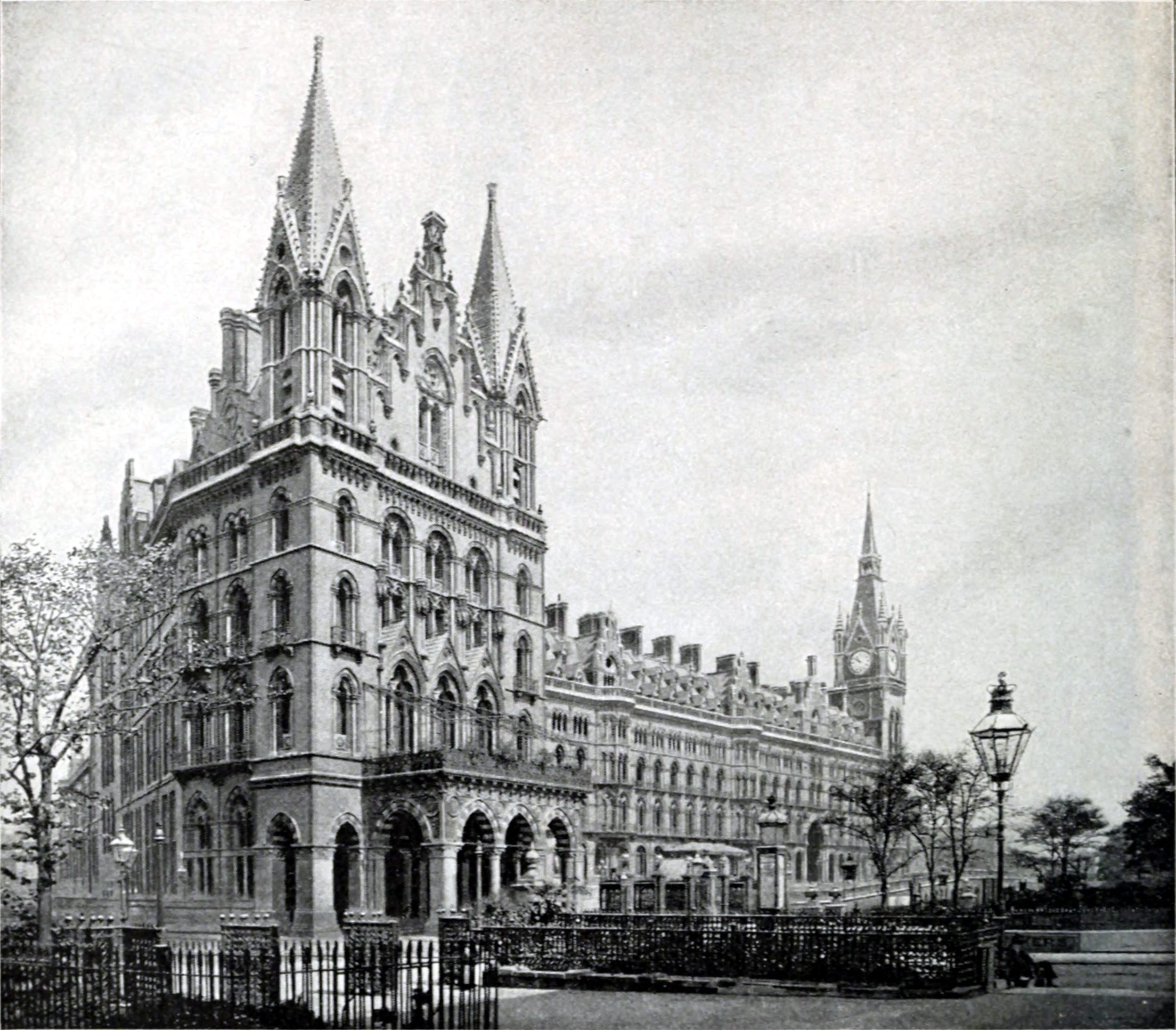
The Victorian art critic John Ruskin once said in a speech to some Victorian gentlemen that they were more interested in building stations “vaster than the temple of Ephesus, and innumerable” than great cathedrals.1 Having covered stations reflecting at least the latter fact, all that is left are those which indeed exceed the temple dimensions archaeologists uncovered at the ancient Greek city. Many of the large city stations are certainly comparable to cathedrals, in the awe produced by their scale and the achievement of their existence. The architecture on display, as with smaller stations, enhances this sentiment. Whilst a number of these stations have been substantially redeveloped for the sake of modern efficiencies, such as the once neoclassical Euston, much still remains to discuss. From the simpler Italianate King’s Cross to the mix of styles charting Liverpool Street’s development and St Pancras’s striking Gothic, several are paragons of previously mentioned architectural modes. Others provide great examples of further variations of Victorian railway architecture, including the classical and chateau-like Praed Street frontage of Paddington, the French Renaissance Revival equivalent at Charing Cross and a similar but grander design at Victoria. The Edwardian era makes a distinctive appearance amidst the larger stations too, in spite of its brevity, through the Edwardian Baroque of Marylebone and the Imperial Baroque rebuild of Waterloo. Beyond London, some other cities’ stations have escaped modern rebuilding, including Isambard Kingdom Brunel’s original Tudor Revival station at Bristol Temple Meads and its substantial but complementary 1870s extension, as well as the elaborate Free Renaissance style Norwich station. With architecture often of such a high standard that it would not be amiss for a cathedral or stately home, save the practical necessities they capaciously enclosed, it was clearly more than utility which made the largest railway stations enduring focal points of cities across the country. It can certainly be said the same reverence does not exist for the terminus of the A1 or any motorway.
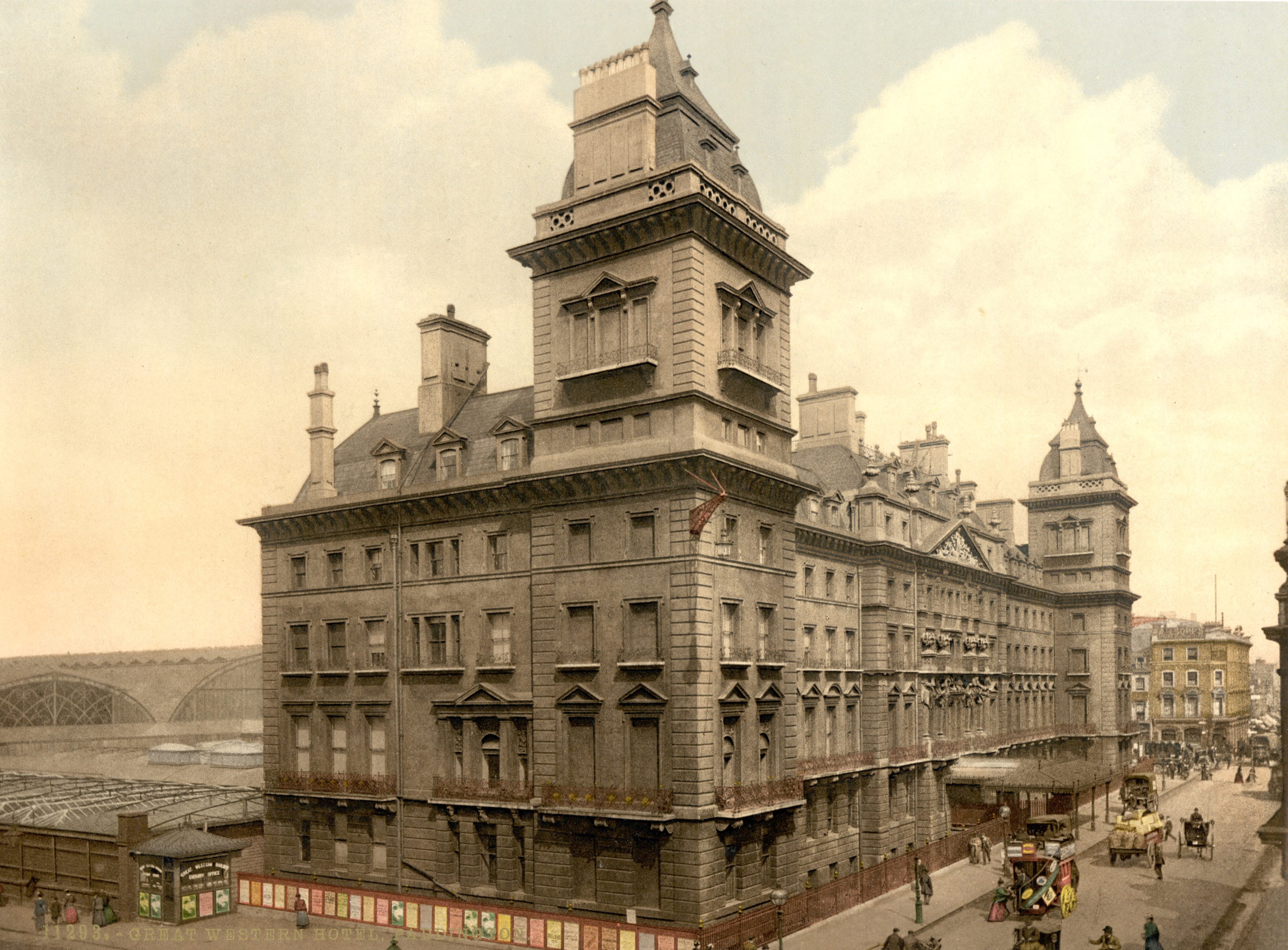
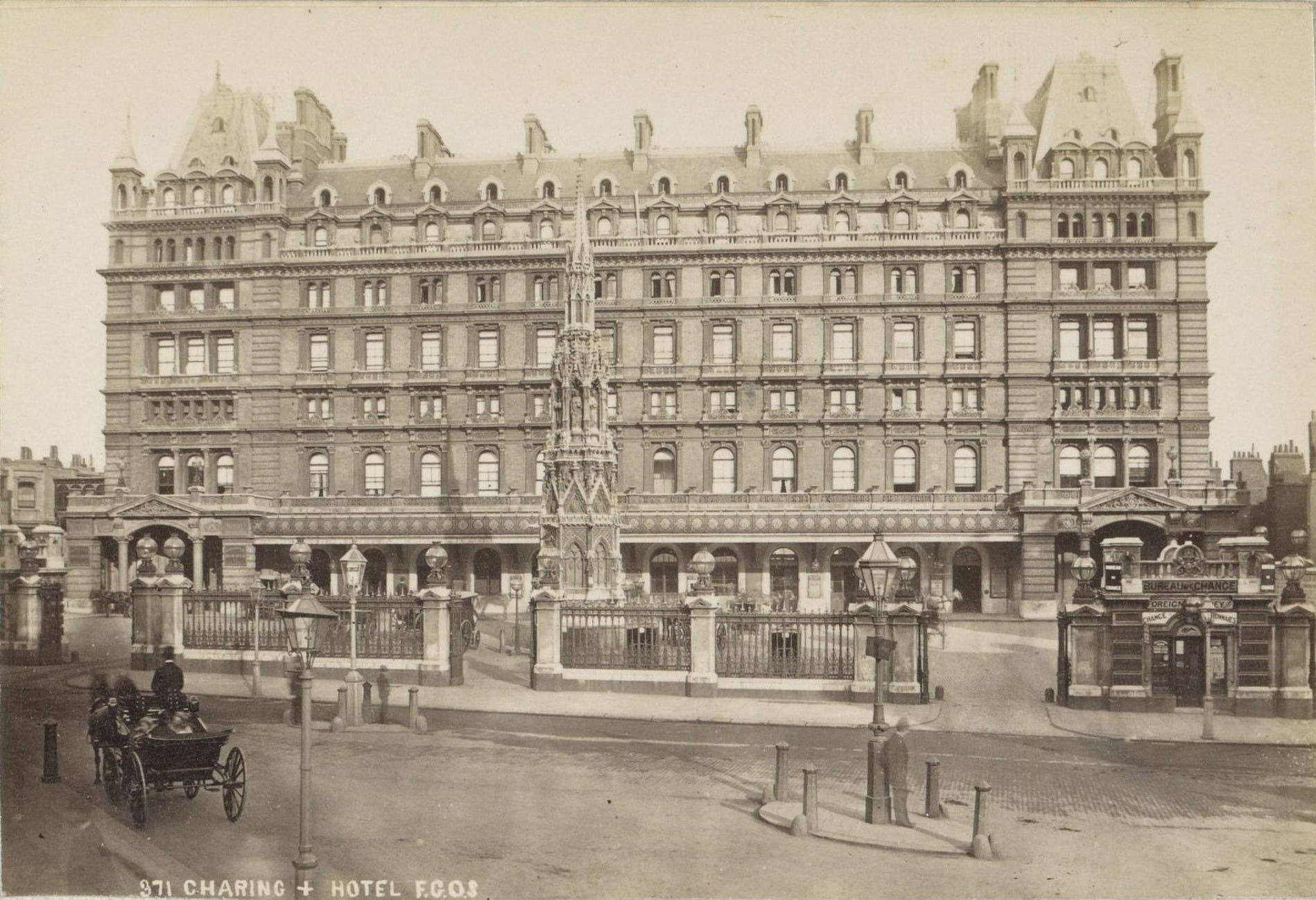
The point of this particular survey is not to justify the existence of these buildings as they are or beautiful buildings in general. Instead, since this quality architecture does persist in so many places, it should convince of the idea that its proliferation is still possible today. Given the amount spent on railway infrastructure projects, using the opportunity of a new or substantially refurbished station to enhance the built environment would not be an onerous financial burden. The emergence of New Urbanism and New Classicism in recent decades, albeit relatively minor compared to the continued march of soulless, boxy structures, also exhibit the same combination of revival and adaptation which pre-nationalisation railway architects once realised to an exceptional degree. All these prior architectural styles and features are not lost or deadweight as some may claim, merely in abeyance, a suspended animation until they are next given a chance. For the built landscape, despite the blots and eyesores it has been subjected to, remembers what good has come before and can still be left all the better for it by each prudent generation.
From ‘Traffic’, first published in written form in 1866. Available most readily in: John Ruskin, Traffic (London: Penguin, 2015), p. 19.